
How to Discuss Health Care Options with Aging Parents
With the holidays approaching, you may notice your parents struggling with tasks they once managed independently—whether it’s a more cluttered house, disorganized finances, or overwhelming daily chores. These signs highlight the need for a plan and difficult conversations before a health crisis arises. While talks about aging, independence, and caregiving are tough, they’re essential for ensuring your parents receive the support they need while maintaining their dignity and autonomy.
For many, the goal is to stay at home as long as possible, but arranging in-home care can be challenging. Questions about trust, cost, hours, and finding reliable help often arise. Hiring an agency like St. Paul’s Without Walls Home-Based Services simplifies the process. We offer services ranging from household chores to handson care like bathing and dressing. Additional offerings include a daily meal program and emergency response technology. Benefits include background checks, professional training, insurance, and stress-free scheduling. “We hire compassionate team members with a heart for service,” said Administrator Michelle O’Malley.
Understanding the available options is crucial for making informed decisions. Unfortunately, many of us avoid thinking about it until a crisis arises, leaving us with limited choices.
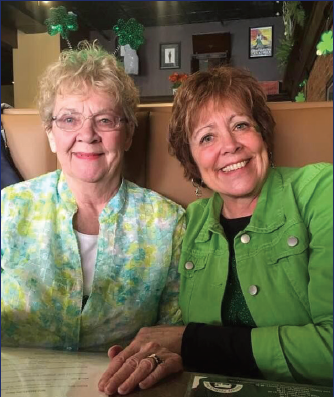
In 2014, Kathy Williams’ mom, Dorothy, had a cardiac event that led to immediate decisions about her care. After her hospital stay, Dorothy was depressed and too weak to be left alone, so they sought 24/7 care from St. Paul’s Without Walls. Over time, the care was reduced as Dorothy recovered. In 2016, another cardiac issue required 24/7 coverage again, along with a Philips Lifeline pendant and meal services, which Kathy called a “Godsend.” After two bouts of pneumonia in 2023 and 2024, Dorothy expressed she could no longer live alone. Relieved, Kathy respected her mom’s decision and helped her transition to personal care.
Kathy recalls a time when her own blood pressure was dangerously high. “I underestimated how stressful caring for an older person is,” she said. “Caregivers don’t realize the toll on their own health. You can’t care for others if you don’t care for yourself. As a nurse, I should’ve known better, but she’s my mother!” Caring for a loved one is exhausting, and sometimes the best choice is to hire help. “It’s just plain hard,” Kathy said. Families often feel fear, guilt, sadness, and anxiety, questioning if they’re doing enough. It’s an emotional rollercoaster that can be overwhelming. Kathy feels blessed to have had the support of her siblings, who all agreed on the care plan. As the local daughter with nursing experience, she became the primary point person, understanding her siblings’ limited ability to help due to work. “I quickly realized I couldn’t do everything and needed help,” she said. “St. Paul’s Without Walls has been a blessing!” Another blessing was her mother’s willingness to accept help.

Looking back, Kathy is happy her mom chose to move to personal care. Although Dorothy was initially scared and unsure, she is now thriving. She has a renewed interest in her appearance, enjoys dining in the communal area, and participates in activities, meeting old and new friends. Moving from her own home has been difficult for Dorothy but she is gradually acclimating to her new residence. “It’s been a journey,” Kathy said. When discussing options with aging parents, experts suggest finding a moment when everyone is calm and not caught up in the holiday hustle. Avoid moments of high stress, such as in the middle of a holiday meal or just before bedtime. It’s also crucial to be mindful of the tone and approach. A conversation about aging should be framed in a way that emphasizes care and concern, rather than criticism or pressure. Acknowledge their lifetime of achievements and independence, and express a desire to support them as they navigate this next phase of life.
When discussing options with aging parents, experts suggest finding a moment when everyone is calm and not caught up in the holiday hustle. Avoid moments of high stress, such as in the middle of a holiday meal or just before bedtime. It’s also crucial to be mindful of the tone and approach. A conversation about aging should be framed in a way that emphasizes care and concern, rather than criticism or pressure. Acknowledge their lifetime of achievements and independence, and express a desire to support them as they navigate this next phase of life.
Here are some tips for starting the conversation:
Be Empathetic and Non-Judgmental
Understand that giving up independence can be difficult for aging parents. Approach the conversation with sensitivity, emphasizing support rather than control. Example: “I’ve noticed some things seem harder for you lately. How are you feeling?”
Use “We” Language
Frame the conversation as a shared concern to reduce defensiveness and show you’re in this together. Example: “We’ve noticed it’s harder to keep up with things at home. How can we work together on this?”
Focus on Safety and Well-being
Highlight practical changes that could improve daily life or reduce risks, rather than making it feel like a critique. Example: “I’m worried about you falling. How do you feel about exploring options to make things safer?”
Offer Solutions, Not Just Problems
Suggest concrete solutions, like hiring a caregiver or modifying the home, and involve them in the decision-making. Example: “What do you think about having someone help a few hours a week with cleaning?”
Be Patient and Respectful
Changing habits takes time. Revisit the conversation as needed, giving them space to adjust. Initial conversations may bring denial, anger, or defensiveness. It’s important to stay calm, acknowledge their feelings, and allow time for adjustment. A doctor can sometimes help explain the need for additional care in a more objective way.
Once the conversation starts, maintaining open communication is key.
Regular check-ins and support will ensure parents receive the help they need while retaining their autonomy. Planning for future needs is also important as their situation evolves.
While holiday conversations about care are tough, they are vital to ensuring your parents are supported with dignity. Approach them with patience and empathy for a smoother transition.
If you or someone you know needs help navigating senior care, contact Michelle O’Malley, Administrator, at 724-589-4740 for more information.